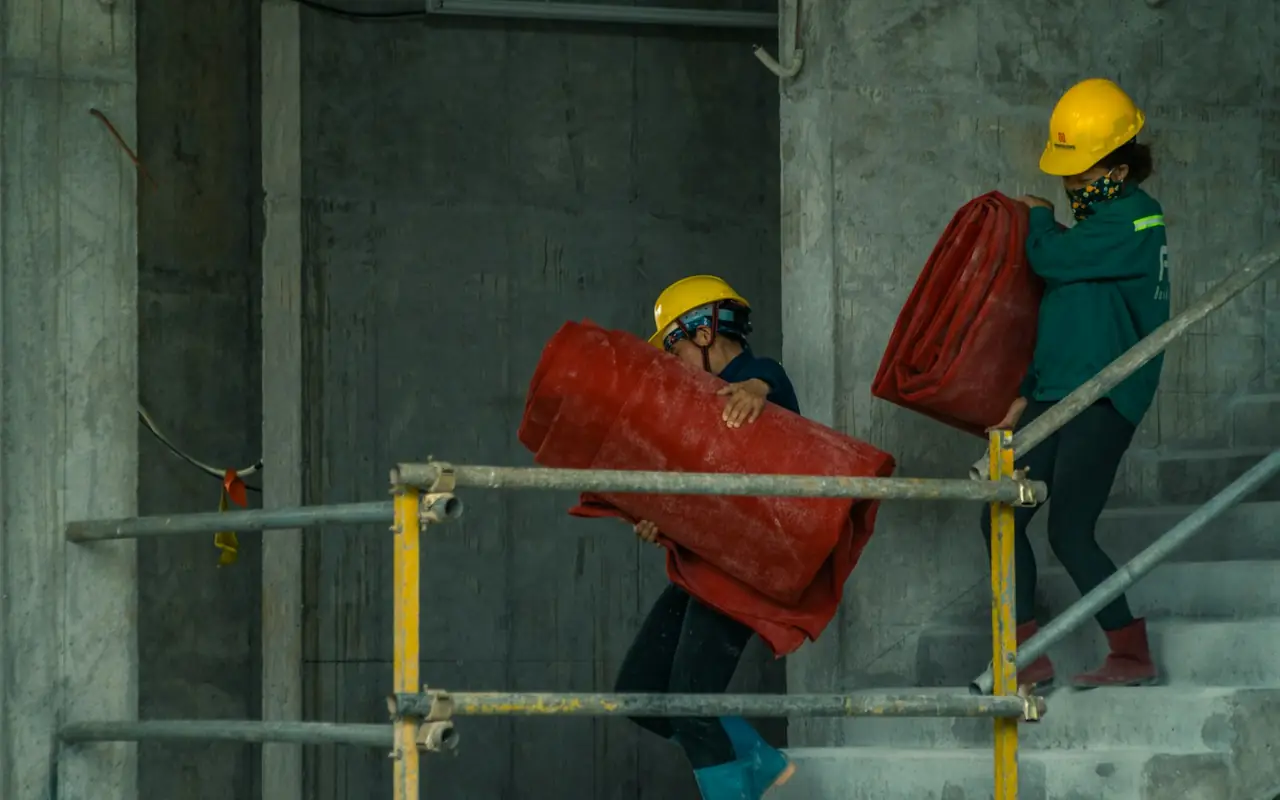
Coverage map for Construction & Trades
Construction coverage questions often arrive as a project document. Use this page to route the request among job-site operations, workers, vehicles, bonds, and certificate or endorsement language while preserving the contract that generated it.
- Workers and job-site operations
Start with workers’ compensation and BOP questions using the actual workforce and work description.
- Vehicles and bonds
Route vehicle use to commercial auto and any “bonded” requirement to the surety section.
- Contract evidence
Use the requirements guide and case file to compare the written request, certificate, and issued endorsement.
These guides connect the coverage decisions below; use the questions to drill into a
specific rule.
Industry guide · 2026 edition
An architect’s insurance requirements arrive with the project: in the design agreement, site-access rules, consultant contracts, and office lease. This guide explains what each document can require, what proof to provide, and how to check the policy before work begins. For liability exposures and claims, see pleasedontsue.us.
Read the guide → Foundational guide · 2026 edition
For most small businesses, the first insurance purchase isn't triggered by risk analysis — it's triggered by a client contract, vendor agreement, or lease that demands coverage before work starts. This guide translates the standard insurance clause piece by piece: what $1M/$2M limits mean, what additional insured and primary-and-noncontributory actually obligate your policy to do, why waivers of subrogation appear, how certificate delivery works, which demands are boilerplate, and which are genuinely negotiable.
Read the guide → Public record case files for Construction & Trades
- Worker classification in Dynamex Operations West v. Superior Court
Calling a worker an independent contractor did not settle the question in this California wage case. The court used California’s ABC test, a three-part worker-classification rule, to decide whether drivers were covered by the wage order. That rule does not automatically answer every workers’ compensation or insurance question, which depends on the applicable law and facts.
- Additional-insured wording in Burlington Insurance v. NYC Transit Authority
Being named as an additional insured did not automatically protect the transit authority. The policy applied only if the contractor’s own actions or failures helped cause the injury, and the contract’s insurance requirement could not change that policy limit. Read the actual additional-insured endorsement—not just the contract or certificate.
Questions by coverage line